If you’ve ever wondered what is a lobbyist, you’re not alone—it’s a term that often sparks curiosity (and sometimes skepticism) about how laws get made. In simple terms, a lobbyist is a professional advocate who works to influence government decisions, policies, and legislation on behalf of clients or organizations. They act as intermediaries, bridging the gap between special interests—such as businesses, nonprofits, trade associations, or even public advocacy groups—and lawmakers.Lobbying is a protected form of advocacy under the First Amendment in the U.S., rooted in the right to “petition the government for redress of grievances.” Far from shadowy dealings, professional lobbying is heavily regulated and plays a key role in democratic processes by providing lawmakers with expert information and diverse perspectives.The Core Definition: What Exactly Is a Lobbyist?According to standard definitions from sources like Merriam-Webster and Wikipedia, a lobbyist is someone who conducts activities aimed at influencing public officials, especially members of a legislative body, on legislation. More formally, lobbying involves direct communication with lawmakers or their staff to sway policy outcomes.
- Direct Lobbying: Meeting with legislators, testifying at hearings, or submitting written proposals to support or oppose specific bills.
- Grassroots Lobbying: Mobilizing the public to contact officials, often through campaigns or petitions (though this may not always require registration as a lobbyist).
Lobbyists must register in most jurisdictions (federal and state levels), disclose clients, and report expenditures. For example, at the federal level, the Lobbying Disclosure Act requires registration if someone spends significant time or money influencing Congress.The Role of Lobbyists in Shaping LegislationLobbyists are essential cogs in the legislative machine. Lawmakers often lack deep expertise on every issue—from complex regulations on renewable energy to healthcare reforms—so lobbyists fill that gap by providing data, research, and real-world insights.Key ways lobbyists shape legislation:
- Educating Lawmakers: They explain how proposed laws could impact industries, communities, or constituents.
- Drafting Language: Many bills include input from lobbyists, who help craft precise amendments.
- Building Coalitions: Lobbyists unite diverse groups to build support (or opposition) for bills.
- Monitoring and Strategizing: Tracking thousands of bills and advising clients on opportunities or threats.
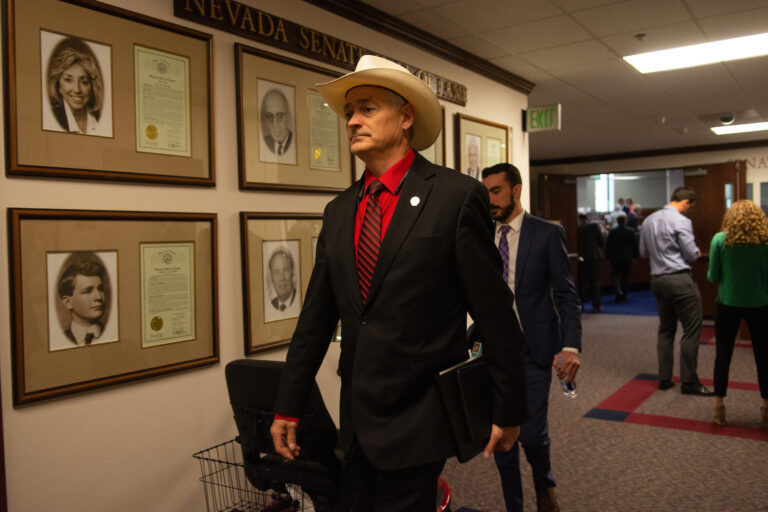
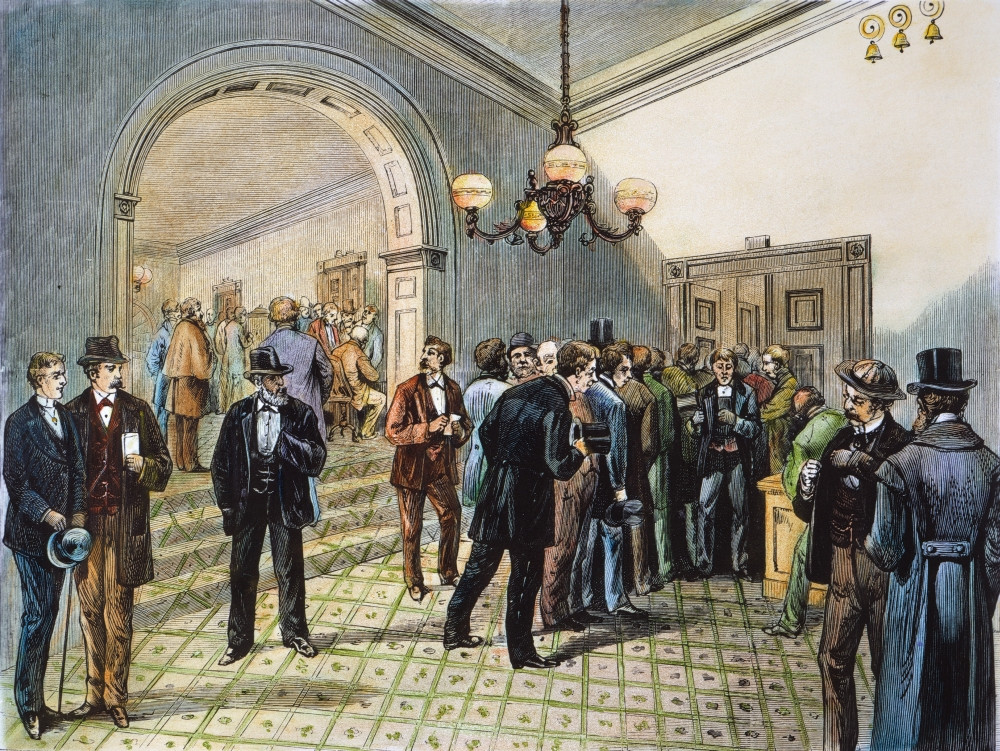
In state legislatures like Nevada’s, lobbyists swarm Carson City during sessions, meeting in the halls of the Nevada Legislative Building to advocate on issues like gaming regulations, mining policies, tourism, or water rights.Representing Clients: Who Do Lobbyists Work For?Lobbyists represent a wide array of clients (often called “principals”):
- Corporations and Industries: Tech giants, energy companies, or gaming firms pushing for favorable regulations.
- Nonprofits and Advocacy Groups: Environmental organizations, labor unions, or civil rights groups.
- Trade Associations: Groups like chambers of commerce or professional societies.
- Local Governments: Cities or counties lobbying state legislatures for funding.
- Individuals or Causes: Occasionally, high-profile individuals or public interest campaigns.
Clients hire lobbyists for their networks, expertise, and access—many lobbyists are former lawmakers or staffers (the “revolving door” phenomenon), bringing insider knowledge.Lobbying in Action: Examples from Nevada and BeyondIn Nevada, lobbying is particularly active due to the state’s unique economy (gaming, mining, tourism). Registered lobbyists must file with the Legislative Counsel Bureau, and firms like McDonald Carano or Carrara Nevada represent clients on everything from tax policy to infrastructure.Nationwide examples highlight lobbying’s impact:
- Healthcare lobbyists helped shape the Affordable Care Act.
- Environmental lobbyists advocate for clean energy incentives.
- In Nevada, utility or mining lobbyists influence bills on renewable resources or land use.
When done ethically, lobbying ensures balanced policymaking by representing stakeholders who might otherwise go unheard.Regulations and Ethics: Keeping Lobbying TransparentTo prevent undue influence, strict rules apply:
- Registration and Reporting: Disclose clients, spending, and activities.
- Gift Limits: Many states ban or cap gifts to officials.
- Cooling-Off Periods: Former officials can’t immediately lobby.
Violations can lead to fines or bans. Transparency portals (like Nevada’s lobbyist site) allow public oversight.Is Lobbying Good or Bad? A Balanced ViewCritics argue lobbying gives undue power to moneyed interests, while proponents say it’s vital for informed democracy—providing expertise lawmakers need. As President Kennedy noted, lobbyists “serve a useful purpose” in the process.In the end, what is a lobbyist? A skilled communicator ensuring diverse voices reach decision-makers. Whether in Washington or state capitols, they help shape the laws that affect us all. If you’re interested in Nevada-specific lobbying, check the official registry at leg.state.nv.us/lobbyist/ for current registrants and reports.Understanding lobbyists demystifies government—stay informed and engaged!