Finding out who your representative is depends on the level of government you’re asking about—federal (U.S. Congress), state, county, or local. The phrase “who is my representative” most commonly refers to your U.S. House of Representatives member (congressional district), but it can also mean your state legislator, senator, or Who Is My Representative?Finding out who your representative is depends on the level of government you’re asking about—federal (U.S. Congress), state, county, or local. The phrase “who is my representative” most commonly refers to your U.S. House of Representatives member (congressional district), but it can also mean your state legislator, senator, or other elected officials. Below, we’ll break it down with easy tools to find yours.1. Federal Level: Who Is My U.S. House Representative?Your U.S. Representative (often just called “congressman” or “congresswoman”) serves in the House of Representatives in Washington, D.C. There are 435 members nationwide, divided by congressional districts.
- Official Tool: Use the U.S. House of Representatives finder at house.gov/representatives/find-your-representative. Enter your ZIP code (or full address for precision) to get your rep’s name, contact info, and website.
- Alternative: whoismyrepresentative.com – Quick ZIP code search for House members.
For U.S. Senators (two per state): Visit senate.gov/senators.2. State Level: Who Is My State Legislator?Each state has its own legislature with representatives (often called assembly members, delegates, or state reps) and senators.
- For Nevada Residents: The official tool from the Nevada Legislature is the “Who’s My Legislator?” lookup. Enter your full address to find your Nevada State Assembly member and State Senator, along with district info.
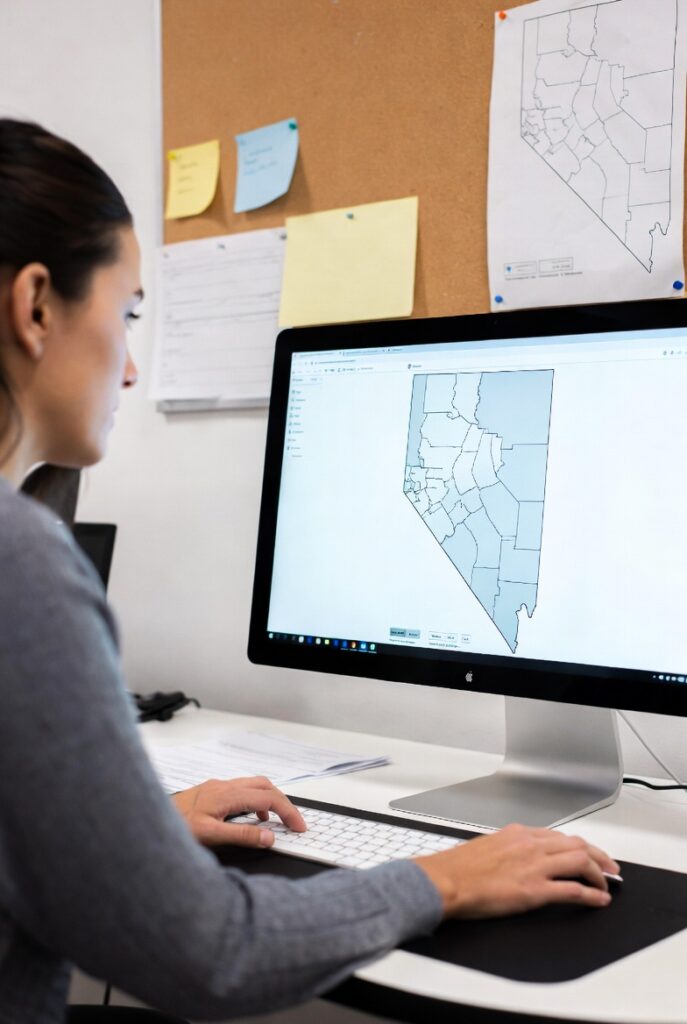
- Direct Tool: Nevada Legislature Who’s My Legislator? – This interactive map-based search (powered by ArcGIS) shows your exact districts and legislator details.
- Many states have similar tools—search “[your state] find my legislator” for the official site.
3. County or Local LevelFor county commissioners, city council members, or other local reps:
- Check your county or city government’s website (e.g., search “Clark County NV elected officials”).
- Tools like Ballotpedia.org or Vote411.org can help with broader searches.
Why Districts MatterLegislative districts are redrawn every 10 years after the census, so your representative might change even if you haven’t moved. Always use an address-based tool for the most accurate results—ZIP codes alone can sometimes point to the wrong district.If you’re in Nevada and looking for your state representatives, start here: https://www.leg.state.nv.us/whosmylegislator/Contacting your representative is easy—most have online forms for sharing concerns about bills, issues, or constituent services. Stay engaged!other elected officials. Below, we’ll break it down with easy tools to find yours.1. Federal Level: Who Is My U.S. House Representative?Your U.S. Representative (often just called “congressman” or “congresswoman”) serves in the House of Representatives in Washington, D.C. There are 435 members nationwide, divided by congressional districts.
- Official Tool: Use the U.S. House of Representatives finder at house.gov/representatives/find-your-representative. Enter your ZIP code (or full address for precision) to get your rep’s name, contact info, and website.
- Alternative: whoismyrepresentative.com – Quick ZIP code search for House members.
For U.S. Senators (two per state): Visit senate.gov/senators.2. State Level: Who Is My State Legislator?Each state has its own legislature with representatives (often called assembly members, delegates, or state reps) and senators.
- For Nevada Residents: The official tool from the Nevada Legislature is the “Who’s My Legislator?” lookup. Enter your full address to find your Nevada State Assembly member and State Senator, along with district info.
- Direct Tool: Nevada Legislature Who’s My Legislator? – This interactive map-based search (powered by ArcGIS) shows your exact districts and legislator details.
- Many states have similar tools—search “[your state] find my legislator” for the official site.
3. County or Local LevelFor county commissioners, city council members, or other local reps:
- Check your county or city government’s website (e.g., search “Clark County NV elected officials”).
- Tools like Ballotpedia.org or Vote411.org can help with broader searches.
Why Districts MatterLegislative districts are redrawn every 10 years after the census, so your representative might change even if you haven’t moved. Always use an address-based tool for the most accurate results—ZIP codes alone can sometimes point to the wrong district.If you’re in Nevada and looking for your state representatives, start here: https://www.leg.state.nv.us/whosmylegislator/Contacting your representative is easy—most have online forms for sharing concerns about bills, issues, or constituent services. Stay engaged!