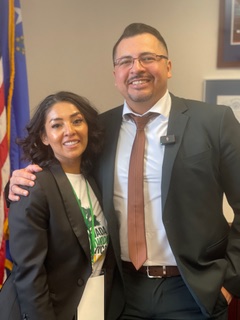
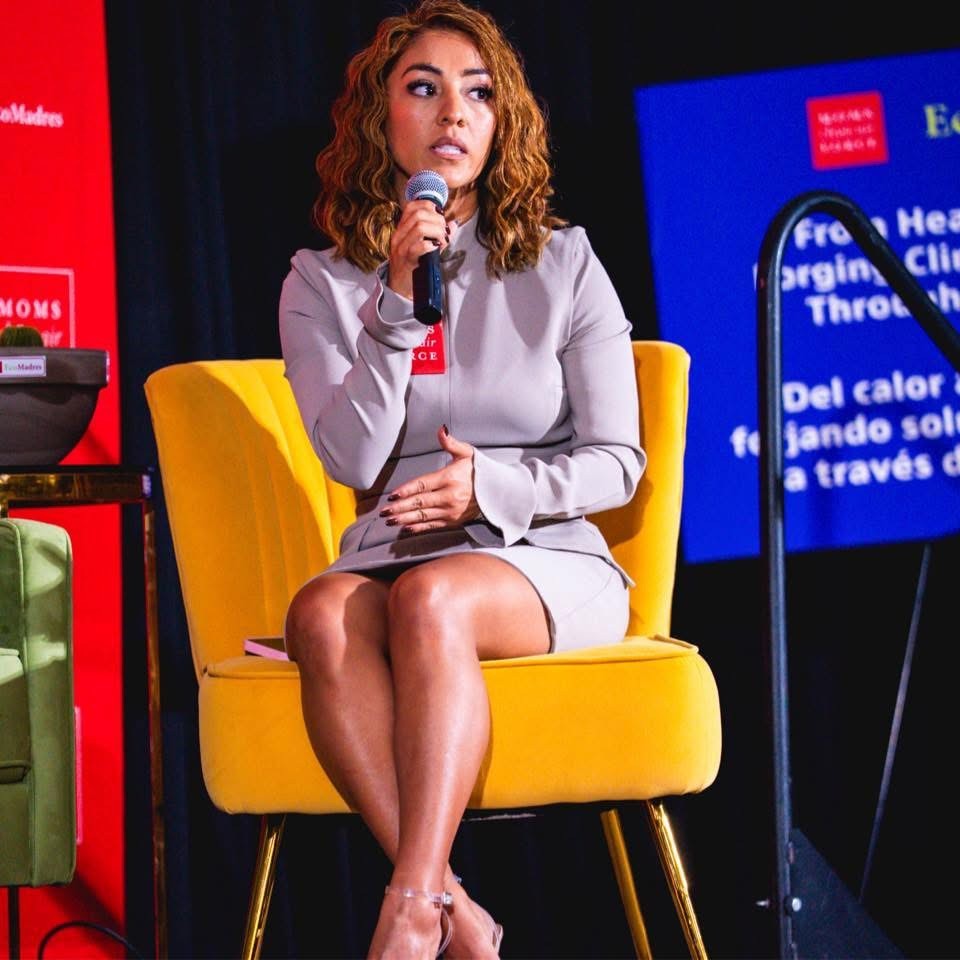
CARSON CITY — For many Nevadans, civic engagement begins with a single issue. For Mary Wagner, participation in the 2025 Legislative Session grew into something broader: an experience shaped by community, shared responsibility, and the understanding that policy work rarely exists in silos.
Wagner initially became involved through environmental and clean energy advocacy, supporting organizations focused on utility accountability, air quality, and renewable energy access. Over time, however, her engagement expanded to include bills affecting housing stability, public safety, immigration-related concerns, and issues impacting Nevada’s Latino communities.
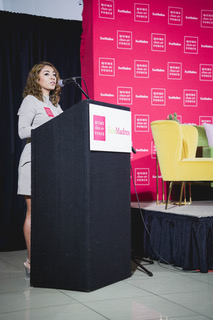
“I went in thinking I’d focus on environmental bills,” Wagner said. “But once you’re there, you realize how connected everything is — housing, safety, immigration, energy. These issues don’t live in separate boxes for our communities.”
Following the Process Across Policy Areas
Throughout the session, Wagner tracked legislation, attended hearings, and supported advocacy efforts across multiple policy areas — both during work hours and on her own time. While environmental and clean energy bills remained her primary focus, she also followed proposals related to crime prevention, immigration protections, and housing access, particularly those with implications for Latino families.
Among the environmental measures that advanced was AB458, sponsored by Assemblymember Howard Watts, which expanded access to rooftop solar for affordable multi-family housing by allowing tenants to benefit from shared solar installations and net-metering programs. The bill passed both chambers and was signed into law by Governor Joe Lombardo.
Another bill Wagner supported, AB452, sponsored by Assemblymember Tracy Brown-May, strengthened oversight of how fuel and purchased power costs are passed on to customers. The law directs the Public Utilities Commission of Nevada to investigate overcharges and require refunds when appropriate, adding new transparency to utility billing practices.
“These were the kinds of bills where you could really see how testimony, amendments, and negotiations played out,” Wagner said. “You don’t always get the outcome you want, but you understand the process better.”
Bills That Did Not Advance
Other bills Wagner followed — across environmental, housing, and public safety categories — did not move forward before the session concluded. Some passed one chamber but stalled in the other; others failed to meet procedural deadlines or were amended in ways that halted progress.
Among them was AB238, sponsored by Assemblymembers Sandra Jauregui and Daniele Monroe-Moreno, which passed the Assembly but did not receive final consideration in the Senate. Additional proposals related to clean energy, housing stability, and community safety similarly failed to advance, reflecting the limits of a compressed 120-day session.
“Watching bills die is part of the learning curve,” Wagner said. “It’s frustrating, but it also teaches you that change usually happens over multiple sessions, not all at once.”
Executive Review and Vetoes
The session’s final outcomes were also shaped by executive action. Governor Lombardo issued a significant number of vetoes in 2025, including AB98, which had advanced through the Legislature before being returned with a veto message.
While none of the environmental bills that ultimately became law were vetoed, the overall number of vetoes affected which proposals took effect and which will likely return in future sessions.
Civic Engagement as a Collective Effort
By the end of the session, Wagner said her biggest takeaway was not tied to a specific bill, but to how the work happens.
“I learned that civic engagement isn’t something you do alone,” she said. “It’s something you do in community — alongside advocates, neighbors, organizations, and people who bring different lived experiences to the table.”
That lesson became especially clear as she moved between policy areas, often showing up to support others’ issues while they, in turn, supported environmental and clean energy efforts.
“En español decimos, juntos somos más fuertes,” Wagner said. “When we show up for each other’s issues, we all move forward.”
As Nevada enters the interim period and lawmakers begin shaping the next legislative agenda, Wagner says she plans to stay involved — not as an expert in every policy area, but as a resident who understands that participation matters.
“This is our state,” she said. “And the work works best when we do it together.”